

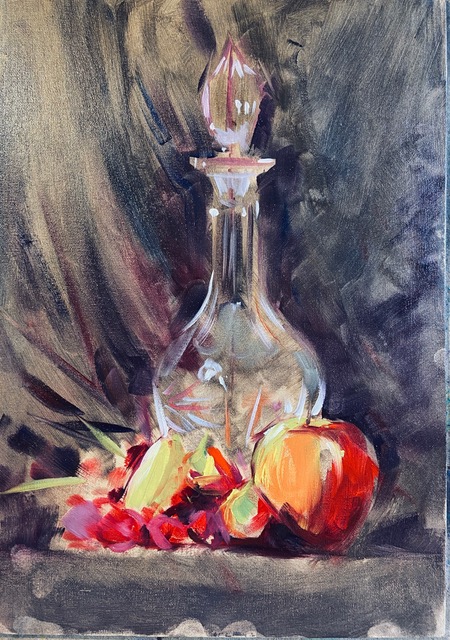
Oil painting is a revered art form that has captivated artists and art lovers for centuries. It’s rich history, combined with the unique benefits it offers, makes it a fascinating subject for those interested in exploring their creative potential. Here, we’ll delve into the storied past of oil painting and highlight the myriad benefits of mastering this technique.
A Brief History of Oil Painting
The origins of oil painting date back to ancient times, but it was during the Renaissance that this medium truly flourished. The development and refinement of oil paint transformed the art world, offering artists a new way to express their creativity with unprecedented depth and realism.
Early Beginnings: Evidence suggests that oil-based paints were used in ancient civilisations, such as Egypt and Greece, where artists mixed pigments with natural oils. However, it wasn’t until the 15th century that oil painting began to gain widespread popularity in Europe.
The Renaissance Revolution: During the Renaissance, artists like Jan van Eyck and Leonardo da Vinci pioneered the use of oil paint. Van Eyck is often credited with perfecting oil painting techniques, creating luminous works that showcased the medium’s potential for detail and depth.
Baroque and Beyond: The Baroque period saw masters like Rembrandt and Caravaggio harnessing the power of oil paint to create dramatic, emotionally charged works. The medium continued to evolve, influencing a variety of styles and movements, from Romanticism to Impressionism and beyond.
Modern and Contemporary Art: In the 19th and 20th centuries, artists like Vincent van Gogh and Claude Monet pushed the boundaries of oil painting, experimenting with colour, texture, and form. Today, oil painting remains a beloved medium for contemporary artists, who continue to explore its endless possibilities.
Benefits of Oil Painting
Oil painting offers a unique set of advantages that make it an appealing medium for both beginners and experienced artists. Here are some of the key benefits:
Versatility and Flexibility: Oil paints are known for their versatility. They can be applied in thin glazes to create translucent effects or in thick, impasto layers for a more textured appearance. This flexibility allows artists to experiment with different techniques and styles.
Richness and Depth of Colour: The pigments used in oil paints are often more vibrant and intense than those in other mediums. This results in rich, deep colours that bring a painting to life. The slow drying time of oil paints also allows for the blending and layering of colours, adding depth and complexity to the artwork.
Durability: Oil paintings are highly durable and can last for centuries with proper care. The oil in the paint forms a protective barrier that helps preserve the pigments, ensuring that the artwork remains vibrant over time.
Ease of Manipulation: The slow drying time of oil paints is a significant advantage for artists. It provides ample time to work on a piece, adjust, and blend colours seamlessly. This ease of manipulation makes oil painting a forgiving medium, ideal for beginners learning the ropes.
Textural Possibilities: Oil paints offer unparalleled textural possibilities. Artists can create smooth, glossy surfaces or rough, textured effects depending on their technique and tools. This ability to manipulate texture adds a tactile dimension to oil paintings, enhancing their visual impact.
Timeless Appeal: There’s a reason why oil painting has remained a popular medium for centuries. The timeless appeal of oil paintings, with their rich colours and exquisite detail, continues to captivate audiences and inspire new generations of artists.
Why Take an Oil Painting Course?
For those interested in exploring the world of oil painting, taking a structured course can be incredibly beneficial. Here are a few reasons why:
Guided Learning: A course provides structured guidance from experienced instructors, helping you to learn the fundamental techniques and principles of oil painting.
Skill Development: Whether you’re a beginner or looking to refine your skills, a course offers the opportunity to practice and develop your abilities in a supportive environment.
Creative Exploration: Courses often encourage experimentation and exploration, allowing you to discover your unique style and voice as an artist.
Community and Feedback: Joining a course connects you with a community of like-minded individuals who share your passion for art. This sense of community, along with constructive feedback from peers and instructors, can be incredibly motivating and inspiring.
Oil painting is a timeless art form with a rich history and numerous benefits. Its versatility, depth of colour, and textural possibilities make it an ideal medium for artists of all levels. By taking an oil painting course, you can embark on a creative journey that not only hones your skills but also connects you with a vibrant artistic community. Whether you’re a budding artist or looking to expand your artistic horizons, the world of oil painting awaits you.
